
- Effectiveness of an Adapted Evidence-Based Woman-Focused Intervention for Sex Workers and Non-Sex Workers: The Women’s Health Co-op in South Africa – 2011
An article in the Journal of Drug Issues, Volume 41, Issue 2, Spring 2011, p.233-252.
- Facilitating access to sexual health services for men who have sex with men and male-to-female transgender persons in Guatemala City – 2011
Article in Culture, Health and Sexuality.
The purpose of this study was to identify barriers to accessing sexual health services among gay, bisexual and heterosexual-identifying men who have sex with men and male-to-female transgender persons in Guatemala City, to inform the development of high quality and population-friendly services. In-depth, semi-structured interviews were conducted with 29 purposively sampled individuals, including 8 transgender, 16 gay/bisexual and 5 heterosexual-identifying participants.
- Listen to sex workers: support decriminalisation and anti-discrimination protections – 2011
Article in Interface: a journal for and about social movements, Volume 3(2): 271 – 287 (November 2011).
Despite the massive achievements of the Prostitutes Collective of Victoria and the historic significance of this important organisation, sex workers as a community and the funds we had attracted drew an unhealthy level of interest from the health and community sector, stemming from a perception that sex workers were politically unable to run their own collective, and that the funds we had lobbied for could be better spent by people who were not sex workers.
- Treatment as Prevention: How might the game change for sex workers? – 2011
“What drives continued expansion of the pandemic is not the absence of effective preventative technologies but discrimination, exploitation and repression of certain social groups,” Dr Peter Piot.
This article looks at the potential impact of partially effective, non contraceptive HIV prevention methods on sex workers in the light of recent news that anti-retroviral treatment (ART) by people with HIV substantially protects their HIV-uninfected sexual partners from acquiring HIV infection, with a 96 percent reduction in risk of HIV transmission.
- “Over here, it’s just drugs, women and all the madness”: The HIV risk environment of clients of female sex workers in Tijuana, Mexico – 2011
HIV vulnerability depends upon social context. Based in broader debates in social epidemiology, political economy, and sociology of health, Rhodes’ (2002) “risk environment” framework provides one heuristic for understanding how contextual features influence HIV risk, through different types of environmental factors (social, economic, policy, and physical) which interact at different levels of influence (micro, macro).
- A Psychosocial Study of Male-to-Female Transgendered and Male Hustler Sex Workers in São Paulo, Brazil – 2011
This study examined sociodemographic variables, personality characteristics, and alcohol and drug misuse among male sex workers in the city of Santo André, São Paulo, Brazil. A total of 45 male-to-female transgender sex workers and 41 male hustlers were evaluated in face-to-face interviews at their place of work from 2008 to 2010. A “snowball” sampling procedure was used to access this hard-to-reach population.
- A study on morbidity and psychosocial behaviour of children of commercial sex workers of North Bengal, India – 2011
Article in the Health 2011; 2(2):37-40.
Background: Children of commercial sex workers (CSW) are deprived from almost all the rights of the society. More attention is paid to the CSWs but their children are neglected. This study was conducted to estimate the morbidity and psychosocial behaviour of children of CSWs and their needs.
Methods: A community-based cross-sectional study was conducted.
- Acceptability of HPV vaccine and HPV prevalence among female sex workers in Lima, Peru – 2011
While it may not be financially possible at this time to vaccinate all women in developing countries against HPV, a focus on high risk populations may be achievable, and may provide secondary protection to the general population. We examined sexual behaviors, cervical abnormalities, HPV prevalence and vaccine acceptability among female sex workers (FSWs).
- Adolescent female sex workers: invisibility, violence and HIV – 2011
Article in the Arch Dis Child doi:10.1136/adc.2009.178715.
- Advancing sexual health and human rights in the Western Pacific – 2011
Widespread criminalization of sex work has had the effect of undermining the sexual health of sex workers, for instance by preventing them from accessing health care services for fear of criminal prosecution if found to be a sex worker. Moreover, laws permitting mandatory HIV or STI testing of sex workers and mandating disclosure of private health information to employers sanction direct interference in the private lives of sex workers. Extract from report
- Condom use during commercial sex among clients of Hijra sex workers in Karachi, Pakistan – 2011
Article in BMJ Open 2011;1, that describes the prevalence and predictors of condom use and sexual risk in the male clients of transgender (Hijra) sex workers in Karachi, Pakistan.
Design Cross-sectional study.
Setting Karachi, Pakistan.
- Continued Sexual Risk Behaviour in African American and Latino Male-to-Female Transgender Adolescents Living with HIV/AIDS: A Case Study – 2011
Article in AIDS Clinic Res S1:002.
Purpose: This study examined the social and contextual factors associated with continued high risk sexual behaviors among male-to-female transgender (MTFTG) adolescents living with HIV/AIDS. The study is part of a larger qualitative study of 59 racial/ethnic minority adolescents living with HIV/AIDS.
Methods: In-depth focused interviews were conducted with five MTFTG adolescents (16-24 years) living with HIV. Content analysis was conducted to identify themes related to continued sexual risk behaviors.
- Contraceptive needs of female sex workers in Kenya – A cross-sectional study – 2011
Article in the European Journal of Contraception and Reproductive Health Care, June 2011, Vol. 16, No. 3 , Pages 173-182.
Female sex workers (FSWs) are thought to be at heightened risk for unintended pregnancy, although sexual and reproductive health interventions reaching these populations are typically focused on the increased risk of sexually transmitted infections. The objective of this study of FSWs in Kenya is to document patterns of contraceptive use and unmet need for contraception.
- Cost and Performance of HIV/AIDS Control Workers Outreach Program to Direct Female Commercial Sex Workers in Cambodia – 2011
This study was undertaken to measure the costs and performance of an outreach programme to direct female commercial sex workers in Cambodia. The study consists of two parts, first a review of all activities of the programme in 20 provinces and 2 major cities in order to calculate the total costs incurred by the programme within its first year of intervention. Second is an analysis of behavioral change of commercial sex workers based on data from a Behavioral Survey.
- Cost effectiveness of targeted HIV prevention interventions for female sex workers in India – 2011
Article in Sex. Transm. Infect. 2011;87:263.
Objective To ascertain the cost effectiveness of targeted interventions for female sex workers (FSW) under the National AIDS Control Programme in India.
- Coverage of Four Key Populations at the 2010 International AIDS Conference: Implications – 2011
The Global Forum on MSM & HIV reviewed every abstract and session at the 2010 International AIDS Conference. Their analysis revealed a ‘gross underrepresentation’ of key populations (men who have sex with men, sex workers, transgender people and people who use drugs) across the 2010 conference programme.
Unfortunately this report does not address the reasons why sexual minorities were excluded or examine any of the mechainics of how it came about. Nor does it offer any suggestions for the future.
- CREA research on violence against women in India, Bangladesh and Nepal – 2011
A research study on violence against lesbian women, female sex workers, and disabled women in three countries in South Asia—Bangladesh, India, and Nepal. The study investigated the hypothesis that women who are outside the mainstream of the South Asian society suffer high rates of violence and are often unable to seek and receive protection from State agencies.
- Creating a different international HIV response for young people – 2011
This paper demonstrates that certain notions of young people in the HIV and AIDS response reveal an overly generalised understanding of ‘youth’ that does not reflect a realistic view of young people’s identity and lives. Faulty stereotypes of ‘youth’ – such as the perceptions that young people are necessarily victims or risk-takers – result in many HIV programmes based on generalisations about young people, rather than their actual needs and realities.
- Declaration from the UN High Level Meeting on AIDS 2011 – 2011
- Different stage, different performance: the protective strategy of role play on emotional health in sex work – 2011
An article in Social Science & Medicine Volume 72, Issue 7, April 2011, Pages 1177-1184.
- Contraceptive needs of female sex workers in Kenya – A cross-sectional study – 2011
Article in the European Journal of Contraception and Reproductive Health Care, June 2011, Vol. 16, No. 3 , Pages 173-182.
Female sex workers (FSWs) are thought to be at heightened risk for unintended pregnancy, although sexual and reproductive health interventions reaching these populations are typically focused on the increased risk of sexually transmitted infections. The objective of this study of FSWs in Kenya is to document patterns of contraceptive use and unmet need for contraception.
- Cost and Performance of HIV/AIDS Control Workers Outreach Program to Direct Female Commercial Sex Workers in Cambodia – 2011
This study was undertaken to measure the costs and performance of an outreach programme to direct female commercial sex workers in Cambodia. The study consists of two parts, first a review of all activities of the programme in 20 provinces and 2 major cities in order to calculate the total costs incurred by the programme within its first year of intervention. Second is an analysis of behavioral change of commercial sex workers based on data from a Behavioral Survey.
- Cost effectiveness of targeted HIV prevention interventions for female sex workers in India – 2011
Article in Sex. Transm. Infect. 2011;87:263.
Objective To ascertain the cost effectiveness of targeted interventions for female sex workers (FSW) under the National AIDS Control Programme in India.
- Coverage of Four Key Populations at the 2010 International AIDS Conference: Implications – 2011
The Global Forum on MSM & HIV reviewed every abstract and session at the 2010 International AIDS Conference. Their analysis revealed a ‘gross underrepresentation’ of key populations (men who have sex with men, sex workers, transgender people and people who use drugs) across the 2010 conference programme.
Unfortunately this report does not address the reasons why sexual minorities were excluded or examine any of the mechainics of how it came about. Nor does it offer any suggestions for the future.
- CREA research on violence against women in India, Bangladesh and Nepal – 2011
A research study on violence against lesbian women, female sex workers, and disabled women in three countries in South Asia—Bangladesh, India, and Nepal. The study investigated the hypothesis that women who are outside the mainstream of the South Asian society suffer high rates of violence and are often unable to seek and receive protection from State agencies.
- Creating a different international HIV response for young people – 2011
This paper demonstrates that certain notions of young people in the HIV and AIDS response reveal an overly generalised understanding of ‘youth’ that does not reflect a realistic view of young people’s identity and lives. Faulty stereotypes of ‘youth’ – such as the perceptions that young people are necessarily victims or risk-takers – result in many HIV programmes based on generalisations about young people, rather than their actual needs and realities.
- Declaration from the UN High Level Meeting on AIDS 2011 – 2011
- Different stage, different performance: the protective strategy of role play on emotional health in sex work – 2011
An article in Social Science & Medicine Volume 72, Issue 7, April 2011, Pages 1177-1184.
- Diversity of commercial sex among men and male-born trans people in three Peruvian cities – 2011
An article in Culture, Health & Sexuality: An International Journal for Research, Intervention and Care, Volume 13, Issue 10.
In Peru, commercial sex involving men and male-born travestis, transgenders and transsexuals (CSMT) is usually represented as a dangerous practice carried out on the streets by people experiencing economic hardship and social exclusion. However, in reality little is known about the complexities of this practice in Peru.
- Does HIV testing reduce transmission risks in the market for commercial sex? – 2011
This paper examines how beliefs about own and partner’s HIV status influence willingness to engage in risky sexual behaviour in the market for commercial sex in developing countries. Especially, we look at the e¤ect of one intervention that has the potential to alter beliefs, namely HIV testing, and how testing influences a commercial sex worker’s decision to sell unprotected sex. We analyse the hypothesis that HIV testing reduces transmission risks by applying the game theoretical concept of perfect Bayesian equilibrium in a model with double-sided asymmetric information.
- Treatment as Prevention: How might the game change for sex workers? – 2011
“What drives continued expansion of the pandemic is not the absence of effective preventative technologies but discrimination, exploitation and repression of certain social groups,” Dr Peter Piot.
This article looks at the potential impact of partially effective, non contraceptive HIV prevention methods on sex workers in the light of recent news that anti-retroviral treatment (ART) by people with HIV substantially protects their HIV-uninfected sexual partners from acquiring HIV infection, with a 96 percent reduction in risk of HIV transmission.
- “Over here, it’s just drugs, women and all the madness”: The HIV risk environment of clients of female sex workers in Tijuana, Mexico – 2011
HIV vulnerability depends upon social context. Based in broader debates in social epidemiology, political economy, and sociology of health, Rhodes’ (2002) “risk environment” framework provides one heuristic for understanding how contextual features influence HIV risk, through different types of environmental factors (social, economic, policy, and physical) which interact at different levels of influence (micro, macro).
- A Psychosocial Study of Male-to-Female Transgendered and Male Hustler Sex Workers in São Paulo, Brazil – 2011
This study examined sociodemographic variables, personality characteristics, and alcohol and drug misuse among male sex workers in the city of Santo André, São Paulo, Brazil. A total of 45 male-to-female transgender sex workers and 41 male hustlers were evaluated in face-to-face interviews at their place of work from 2008 to 2010. A “snowball” sampling procedure was used to access this hard-to-reach population.
- A study on morbidity and psychosocial behaviour of children of commercial sex workers of North Bengal, India – 2011
Article in the Health 2011; 2(2):37-40.
Background: Children of commercial sex workers (CSW) are deprived from almost all the rights of the society. More attention is paid to the CSWs but their children are neglected. This study was conducted to estimate the morbidity and psychosocial behaviour of children of CSWs and their needs.
Methods: A community-based cross-sectional study was conducted.
- Acceptability of HPV vaccine and HPV prevalence among female sex workers in Lima, Peru – 2011
While it may not be financially possible at this time to vaccinate all women in developing countries against HPV, a focus on high risk populations may be achievable, and may provide secondary protection to the general population. We examined sexual behaviors, cervical abnormalities, HPV prevalence and vaccine acceptability among female sex workers (FSWs).
- Adolescent female sex workers: invisibility, violence and HIV – 2011
Article in the Arch Dis Child doi:10.1136/adc.2009.178715.
- Advancing sexual health and human rights in the Western Pacific – 2011
Widespread criminalization of sex work has had the effect of undermining the sexual health of sex workers, for instance by preventing them from accessing health care services for fear of criminal prosecution if found to be a sex worker. Moreover, laws permitting mandatory HIV or STI testing of sex workers and mandating disclosure of private health information to employers sanction direct interference in the private lives of sex workers. Extract from report
- Ain’t I a Woman? A Global Dialogue between the Sex Workers’ Rights movement and the Stop Violence Against Women Movement – 2011
This is a resource written by Bishakha Datta and sponsored by CASAM and CREA. The report documents a meeting entitled “Ain’t I A Woman? A Global Dialogue between the Sex Workers Rights Movement and the Stop Violence against Women Movement” from 12-14 March 2009 in Bangkok, Thailand.
The report features the presentations from many great speakers including , Ruth Morgan Thomas, Anna-Louise Crago, Kaythi Win, Hua Sittipham Boonyapisomparn, Swapna Gayen and Meenakshi Kamble,Cheryl Overs and Meena Seshu
- An assessment of sex work in Swaziland: barriers to and opportunities for HIV prevention among sex workers – 2011
The HIV situation in virtually all southern African countries is a generalised epidemic. Despite the fact that almost all adult age and social groups have high HIV prevalence estimates, sex workers are disproportionally affected, with prevalence estimates higher than the general population. In a qualitative study of 61 male and female sex workers in Swaziland, we found that while poverty drove many into sex work, others reported motivations of pleasure or “sensation seeking”, and freedoms from the burden of marriage as perceived benefits of sex work.
- An Exploratory Study of the Social Contexts, Practices and Risks of Men Who Sell Sex in Southern and Eastern Africa – 2011
The aim of the research presented in this report was to explore the social contexts, life experiences, vulnerabilities and sexual risks experienced by men who sell sex in Southern and Eastern Africa, with a focus on five countries; Kenya, Namibia, South Africa, Uganda and Zimbabwe. It sought to better understand differing and similar socio-cultural scenarios and personal life stories of male sex workers in these countries and to improve the representation of male sex workers in relevant regional organisations, particularly within the African Sex Workers Alliance (ASWA).
- Fiji Cracks Down on Sex work – 2011
A report published today by the University of NSW says sex workers, especially in Lautoka, the centre of Fiji’s sugar industry, north of Nadi, have been rounded up by the military and subjected to sleep deprivation, humiliation and forced physical labour.
Karen McMillan, a researcher with the International HIV Research Group at UNSW, said the sex workers were held in outdoor pens at an army base, woken every three hours and made to do duck-walks and squat in the mud.
- First report on sexually transmitted infections among trans (male to female transvestites, transsexuals or transgender) and male sex workers in Argentina: high HIV, HPV, HBV, and syphilis prevalence – 2011
Article in the International Journal of Infectious Diseases, Volume 15, Issue 9, September 2011, Pages e635-e640.
Due to the scarce data on the prevalence of sexually transmitted infections (STIs) among male-to-female trans-sex workers (TSW) and male sex workers (MSW) in Argentina, the present study aimed to estimate the incidence of human immunodeficiency virus (HIV), and the prevalence of HIV, hepatitis B virus (HBV), hepatitis C virus (HCV), and Treponema pallidum. Human papillomavirus (HPV) and Chlamydia trachomatis infections were tested among TSW.
- From rice fields to red light districts: An economic examination of factors motivating employment in Thailand’s sex industry – 2011
This research identifies factors that distinguish rural women who have migrated to Bangkok for the purpose of enhancing their economic wellbeing by engaging in the sex industry and those who have stayed in their rural communities and are not engaged in the sex industry. The research used primary data collected through interviews in the red light districts of Bangkok and Pattaya and in villages in rural provinces in Thailand. A total of 100 respondents provided information for the study: 55 percent from the red light districts and the remainder from the provinces.
- Gay community, sex workers, health care providers, the police and legal representatives join in to mark IDAHO – 2011

Kenyans, drawn from the gay and lesbian community, male and female sex workers, representatives of the police force, health care providers and also legal professionals came together to mark the International Day Against Homophobia and Transphobia (IDAHO)in Kisumu, Kenya.
- Harsh realities: Reasons for women’s involvement in sex work in India – 2011
This study, in the Journal of AIDS and HIV Research Vol. 3(9), pp. 172-179, documents the reasons and processes for involvement of women into sex work in India. The study is based on in-depth interviews with a cross-section of commercial sex workers in four Indian states – Maharashtra, Tamil Nadu, Karnataka and Andhra Pradesh. It shows that most women enter sex work due to a complex set of reasons as opposed to any one single over-riding reason.
- HIV and Law in China – 2011
The Chinese government uses the traditional strategy of implementing strict laws regarding sex work with the intention of preventing risk behaviours.
- HIV and Sex Work in Cambodia – 2011
Cambodia is internationally recognized for having successfully reduced its HIV prevalence among the general population from about 3% in 1997 to 0.7% in 2009. Sex work played a significant role in the spread of the HIV epidemic during the nineties. Since 1999, HIV prevalence has declined among direct and indirect sex workers, although levels remain high. The 100% condom use promotion strategy has been credited for having played a major role in the decline of HIV.
- HIV and Sex Work in Myanmar – 2011
Myanmar has one of the largest HIV epidemics in Asia. The first case of HIV was detected in 1988 while the first AIDS case was reported in 1991. HIV prevalence among the general population reached its peak at 0.94% in the year 2000 and was estimated to be 0.61% in 2009. The estimated number of adults and children living with HIV in 2009 was 238,000 (with a range of 160,000 to 320,000).
- HIV treatment as prevention—it works – 2011
Article in the Lancet, Volume 377, Issue 9779, Page 1719, 21 May 2011.
This article gives more detail on the recent trial of HIV treatment as a form of HIV prevention.
- HIV Treatment reduces transmission by 96% – 2011
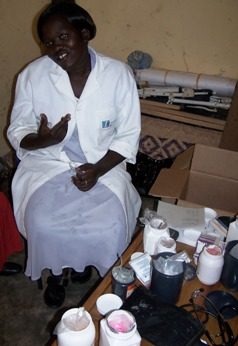
The news that people living wtih HIV who are on antiretoviral therapy will have a huge effect on HIV programming for sex workers. It suggests that ARV therapy rather than condom promotion may account for the huge reduction in HIV transmissions during commercial sex over recent years. It also raises the question of whether voluntary testing should be replaced by routine testing. What it definitely raises is the importance of free access to ARVs, nutrition and adherence support for all.
- Sex Workers Mobilising in Namibia, Reports and Resources – 2012
UN consultant Mathew Greenall shares resources about recent work with sex workers in Namibia, including a literature review.
‘In Namibia, as in many other countries, sex workers have limited opportunities to be heard when they want to talk about human rights, and as a result, the discussions are often constrained by the need to relate them to issues like HIV or trafficking.
- Social and Structural Factors Associated with Consistent Condom Use Among Female Entertainment Workers Trading Sex in the Philippines – 2012
This paper examined socio-structural factors of consistent condom use among female entertainment workers at high risk for acquiring HIV in Metro Manila, Quezon City, Philippines. Entertainers, aged 18 and over, from 25 establishments (spa/saunas, night clubs, karaoke bars), who traded sex during the previous 6 months, underwent crosssectional surveys. The 143 entertainers (42% not always using condoms, 58% always using condoms) had median age (23), duration in sex work (7 months), education (9 years), and 29% were married/had live-in boyfriends.
- Social Network and Other Correlates of HIV Testing: Findings from Male Sex Workers and Other MSM in Shanghai, China – 2012
An article in AIDS and Behaviour.
Although the Chinese government provides free-of-charge voluntary HIV counseling and testing, HIV testing rates among men who have sex with men (MSM) are reported to be extremely low. This study examines the association of structural and psychosocial factors and social network characteristics with HIV testing behaviorsamong “money boys” and general MSM in Shanghai.
- The feasibility of using mobile phone technology for sexual behaviour research in a population vulnerable to HIV: a prospective survey with female sex workers in South India – 2012
An article in AIDS Care.
Sexual behaviour studies are often challenged by sampling, participation and measurement biases, and may be unacceptable to participants. We invited 293 randomly selected female sex workers (FSWs) in Bangalore, India, to participate in a telephone survey, with condom breakage as the main outcome. Free cell phones were supplied and trained interviewers telephoned FSWs daily to ask about all sex acts the previous day.
- The Global Fund and the re-configuration and re-emergence of ‘civil society’: Widening or closing the democratic deficit? – 2012
An article in Global Public Health: An International Journal for Research, Policy and Practice.
- Using mathematical modelling to estimate the impact of periodic presumptive treatment on the transmission of sexually transmitted infections and HIV among female sex workers. – 2012
In settings with poor sexually transmitted infection (STI) control in high-risk groups, periodic presumptive treatment (PPT) can quickly reduce the prevalence of genital ulcers, Neisseria gonorrhoeae (NG) and Chlamydia trachomatis (CT). However, few studies have assessed the impact on HIV. Mathematical modelling is used to quantify the likely HIV impact of different PPT interventions.
- Reducing Sexual HIV/STI Risk and Harmful Alcohol Use Among Female Sex Workers in Mongolia: A Randomized Clinical Trial – 2011
This study examined the efficacy of an enhanced intervention to reduce sexual risk of HIV/STI and harmful alcohol use among female sex workers in Mongolia. Women (n = 166) were recruited and randomized to either (1) a relationship-based HIV sexual risk reduction intervention; (2) the same sexual risk reduction intervention plus motivational interviewing; or (3) a control condition focused on wellness promotion.
- Effectiveness of an Adapted Evidence-Based Woman-Focused Intervention for Sex Workers and Non-Sex Workers: The Women’s Health Co-op in South Africa – 2011
An article in the Journal of Drug Issues, Volume 41, Issue 2, Spring 2011, p.233-252.
- Facilitating access to sexual health services for men who have sex with men and male-to-female transgender persons in Guatemala City – 2011
Article in Culture, Health and Sexuality.
The purpose of this study was to identify barriers to accessing sexual health services among gay, bisexual and heterosexual-identifying men who have sex with men and male-to-female transgender persons in Guatemala City, to inform the development of high quality and population-friendly services. In-depth, semi-structured interviews were conducted with 29 purposively sampled individuals, including 8 transgender, 16 gay/bisexual and 5 heterosexual-identifying participants.
- Listen to sex workers: support decriminalisation and anti-discrimination protections – 2011
Article in Interface: a journal for and about social movements, Volume 3(2): 271 – 287 (November 2011).
Despite the massive achievements of the Prostitutes Collective of Victoria and the historic significance of this important organisation, sex workers as a community and the funds we had attracted drew an unhealthy level of interest from the health and community sector, stemming from a perception that sex workers were politically unable to run their own collective, and that the funds we had lobbied for could be better spent by people who were not sex workers.
For the last 25 years the focus of attention on sex workers health has been HIV. However transgender, female and male sex workers and their families are frequently affected by a range of issues that directly and indirectly affect their wellbeing and impact on public health.
Sex workers in developing countries are disproportionately affected by illnesses and conditions caused by social exclusion, poverty and gender based violence. Lack of access to sexual and reproductive health services mean that sex workers of all genders are vulnerable to STIs and women are at greater risk of unwanted pregnancies and unsafe abortion.
Although the potential for commercial sex to play important roles in expanding HIV epidemics is well recognised, HIV and AIDS-related prevention, treatment and care for sex workers remains inadequate and the specific dynamics of commercial sex in HIV epidemics remains controversial. The same is true of the efficacy and ethics of disease control measures as they apply to sex workers. In recent years controversies have been created by the United States HIV policy which has encouraged the criminalization of sex work in developing countries through conditions of its funding allocations and by the UN which encourages prevention of sex work via poverty reduction.
Paulo Longo Research Initiative research projects will examine the impact of the architecture of international and national public health interventions and policy. We will map and critique the evolution of established evidence and ‘best practice’ in respect of the health of sex workers and their clients and investigate issues in health policy and programming that affect sex workers. These might include HIV testing policy, new HIV prevention technologies such as microbicides, integration of sexual and reproductive health and HIV services, delivery of sexual and reproductive health services and harm reduction strategies for drug users.
- Bridging Populations—Sexual Risk Behaviors and HIV Prevalence in Clients and Partners of Female Sex Workers, Bangkok, Thailand 2007 – 2011 Artcile in the Journal of Urban Health: Bulletin of the New York Academy of Medicine, Vol. 88, No. 3. The aim of this study is to estimate HIV prevalence and assess sexual behaviors in a high-risk and difficult-to-reach population of clients of female sex workers (FSWs). A modified variation of respondent-driven sampling was conducted among FSWs in Bangkok, where FSWs recruited 3 FSW peers, 1 client, and 1 nonpaying partner.
- Can rights stop the wrongs? Exploring the connections between framings of sex workers’ rights and sexual and reproductive health – 2011
There is growing interest in the ways in which legal and human rights issues related to sex work affect sex workers’ vulnerability to HIV and abuses including human trafficking and sexual exploitation. International agencies, such as UNAIDS, have called for decriminalisation of sex work because the delivery of sexual and reproductive health services is affected by criminalisation and social exclusion as experienced by sex workers.
- Cellphones useful in research targeting Peru’s sex workers – 2011
Sex workers, a stigmatized population, are also at risk for a host of sexually transmitted infections. As the marginalized women are typically reluctant to visit health clinics, mobile data collection devices are particularly useful to researchers and health workers dealing with this population.In Peru, outreach teams preventively treat the sex workers for infections with the medication metronidazole, in addition to screening them for chlamydia and other conditions. Metronidazole, however, causes headaches, nausea and abdominal pain in some patients.
- Challenging the stigmatization of female sex workers through a community-led structural intervention: learning from a case study of a female sex worker intervention in Andhra Pradesh, India – 2011
Article in AIDS Care, 22: S2, 1629 — 1636.
- Combating trafficking in sex work sites‐Durbar’s successes and challenges – 2011
Durbar, (a sex worker group in Kolkata,) has been carrying out Anti
- Commercial Sex Work in Addis Ababa – 2011
Unlike the situation a few decades ago, commercial sex in Addis Ababa has increasingly become an occupation of women born and brought up in the city.
A new study, “Poverty and the Social Context of Sex Work in Addis Ababa”, by Bethelehem Tekola*, indicates that more than 50% of the women who are engaged in commercial sex are born and grew up in the city.
- Communication and community mobilization, anti-trafficking and legitimization, participation and empowerment: HIV/AIDS intervention and the Sonagachi Project – 2011
HIV/AIDS infection is a serious threat to the health and welfare of India. HIV/AIDS and sexually transmitted infections (STI) are primarily propagated through heterosexual intercourse in India. Sex workers having multiple partners are considered to be conduits of virus transmission. Hence interventions targeting sex workers form a significant part of India’s effort to curb the HIV/AIDS pandemic within its borders.
- Compensated for Life: Sex Work and Disease Risk – 2011
As sexually transmitted infection (STI) prevalence rises, individuals substitute away from risky sex; this behavioral response renders STI epidemics self-limiting. In the commercial sex sector, however, prostitutes draw a premium for engaging in unprotected sex, potentially mitigating their propensity to use condoms. While several studies have estimated this premium, none have been able to identify its source as a compensating differential for disease risk.
- Condom use during commercial sex among clients of Hijra sex workers in Karachi, Pakistan – 2011
Article in BMJ Open 2011;1, that describes the prevalence and predictors of condom use and sexual risk in the male clients of transgender (Hijra) sex workers in Karachi, Pakistan.
Design Cross-sectional study.
Setting Karachi, Pakistan.
- Continued Sexual Risk Behaviour in African American and Latino Male-to-Female Transgender Adolescents Living with HIV/AIDS: A Case Study – 2011
Article in AIDS Clinic Res S1:002.
Purpose: This study examined the social and contextual factors associated with continued high risk sexual behaviors among male-to-female transgender (MTFTG) adolescents living with HIV/AIDS. The study is part of a larger qualitative study of 59 racial/ethnic minority adolescents living with HIV/AIDS.
Methods: In-depth focused interviews were conducted with five MTFTG adolescents (16-24 years) living with HIV. Content analysis was conducted to identify themes related to continued sexual risk behaviors.
- Rapidly Changing Conditions in the Brothels of Bangladesh: Impact on HIV/STD – 2002
A journal article by Carol Jenkins and Habibur Rahman in AIDS Education and Prevention,Volume:14, Issue:3 Supplement Evaluating HIV Prevention Programs, p97-106.
- Reaching out to sex workers – 2002
This article elaborates about the best ways to serve the reproductive health and other needs of sex workers. It argues that the human rights of sex workers are routinely violated and explains why projects with sex workers must go beyond public health orientated HIV prevention to include structural interventions that address human rights and law.
- Role of core and bridging groups in the transmission dynamics of HIV and STIs in Cotonou, Benin, West Africa – 2002 An article by Lowndes CM, Alary M, Meda H, Gnintoungbé CAB, Mukenge-Tshibaka L, Adjovi C, Buvé A, Morison L, Laourou M, Kanhonou L and Anagonou S in Sexually Transmitted Infections (2002) 78(Supplement 1 ) pp. i69-i77.
- Who gets to choose? Coercion, consent and the UN – 2002
- Evaluation of the 100% Condom Programme in Thailand – 2000
An evaluation of the controvercial 100% Condom Use Programme.
- Prostitution, public health, and human-rights law – 2000
This article is by Loff, B. Gaze, B. and Fairley, C. from The Lancet, Volume 356, Issue 9243, Pages 1764-1764.
- Evaluation of a targeted HIV prevention programme among female commercial sex workers in the south of Thailand – 1998
An article in Sex Transm Inf 1998; 74: 54-58.
Objective: To evaluate a targeted HIV prevention programme among female commercial sex workers (CSWs) in the south of Thailand.
- Protection against sexually transmitted diseases by granting sex workers in Thailand the choice of using the male or female condom: results from a randomized controlled trial – 1998
An article in AIDS 1998, 12:1851–1859.
Background: The male condom is the most effective barrier method available for protection against sexually transmitted diseases (STDs), including HIV infection. There is an urgent need to develop and evaluate other prevention methods, such as the female condom. This study estimated the additional protection against STDs offered to sex workers by giving them the option of using the female condom when clients refused to use a male condom.
- Contexts and patterns of men’s commercial sexual partnerships in North Eastern Thailand: Implications for AIDS prevention – 1997
An article in Soc. Sci. Med. Vol. 44, No. 2, pp. 199 213, 1997.
- Sex work, HIV and the state: An interview with Cheryl Overs – 1994
An article in Feminist Review, No 48, Autumn 1994. The article is comprised of a conversation between Cheryl Overs and Nell Druce. It provides a fascinating insight into thinking on the links between sex work, feminism, HIV, same sex desire, the ethics of research and the role of the state in the abuse and protection of rights.
- Consistently Low Prevalence of Syphilis among Female Sex Workers in Jinan, China: Findings from Two Consecutive Respondent Driven Sampling Surveys – 2102
Routine surveillance using convenient sampling found low prevalence of HIV and syphilis among female sex workers in China. Two consecutive surveys using respondent driven sampling were conducted in 2008 and 2009 to examine the prevalence of HIV and syphilis among female sex workers in Jinan, China.
- Are Sex Workers’ Rights Becoming Thinkable? – 2014
In most countries, the concept of sex workers’ human rights has been unthinkable for the last few millennia. As Bubbles, the co-founder of the blog Tits and Sass, has observed, “Sex workers are generally portrayed as victims or punchlines.” Recent political developments, however, suggest some growing political awareness of sex workers as human beings.
- Closing the bridge: Avahan’s HIV prevention programs with clients of female sex workers in India. – 2014
This publication describes Avahan’s HIV prevention interventions with male clients of female sex workers, who are the primary bridge population in India.
- HIV infection among female sex workers in concentrated and high prevalence epidemics: why a structural determinants framework is needed. – 2014
Our review suggests that despite the heavy HIV burden among female sex workers (FSWs) globally, data on the structural determinants shaping HIV transmission dynamics have only begun to emerge.
- HIV, Syphilis, and Behavioral Risk Factors among Female Sex Workers before and after Implementation of Harm Reduction Programs in a High Drug-Using Area of China – 2014
Two cross-sectional surveys were conducted among FSWs before and after harm reduction programs were launched in Xichang city, Sichuan province. The first and second cross-sectional surveys were conducted in 2004 and 2010, respectively. Temporal changes in odds of HIV, syphilis, and behavioral risk factors were assessed by multivariable logistic regression while controlling for socio-demographics.
- Looking upstream to prevent HIV transmission: can interventions with sex workers alter the course of HIV epidemics in Africa as they did in Asia? – 2014
High rates of partner change in ‘upstream’ sex work networks have long been recognized to drive ‘downstream’ transmission of sexually transmitted infections (STIs). We used a stochastic microsimulation model (STDSIM) to explore such transmission dynamics in a generalized African HIV epidemic.
- Prevalence and Correlates of HIV and Sexually Transmitted Infections among Female Sex Workers and Their Non-commercial Male Partners in Two Mexico-USA Border Cities – 2014
Female sex workers (FSWs) acquire HIV and other sexually transmitted infections (STIs) through unprotected sex with commercial and non-commercial (intimate) male partners. Little research has focused on FSWs’ intimate relationships, within which condom use is rare. We sought to determine the prevalence and correlates of HIV/STIs within FSWs’ intimate relationships in Northern Mexico. From 2010 to 2011, we conducted a cross-sectional survey of FSWs and their non-commercial male partners in Tijuana and Ciudad Juárez, Mexico.
- Social Cohesion, Social Participation, and HIV Related Risk among Female Sex Workers in Swaziland – 2014
Social capital is important to disadvantaged groups, such as sex workers, as a means of facilitating internal group-related mutual aid and support as well as access to broader social and material resources. Studies among sex workers have linked higher social capital with protective HIV-related behaviors; however, few studies have examined social capital among sex workers in sub-Saharan Africa.
- Trends in HIV prevalence and associated risk behaviors in female sex workers in Catalonia,Spain – 2014
Cross-sectional studies were conducted biennially among 400 SW recruited in Catalonia (Spain) in the street, flats and clubs. In addition to an anonymous questionnaire, oral fluid samples were collected to estimate HIV prevalence.
- Vulnerability to HIV infection among female drug users in Kathmandu Valley, Nepal: a cross-sectional study – 2014
Women who use drugs are extremely vulnerable to HIV and sexually transmitted infections (STIs), but studies on risk behaviours and HIV infection among female drug users are limited in Nepal.
